Are you a new business developing a logo? An established company looking to enter a new market or industry? The color of your logo, product packaging, or billboard, might not be the item at the top of your priority list, but it just might be more important than you think.
Color is something so subtle, that many consumers might not even realize the shade of blue in your logo has influenced their decision to purchase/not purchase your product or choose/not choose your company’s services. However, according to ColorPsychology.Org, “Research shows that the proper use of color increases brand recognition by 80%. It also raises the visual appearance by 93%. A further 85% of consumers buy because of color”.
So, what thoughts and emotions are evoked by each color?
Red – Physical
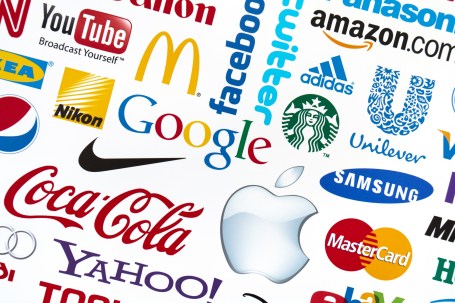
Red evokes strong emotions and symbolizes passion, warmth, energy, strength, and love. Red has been known to increase appetite in some and increase heart rates of impulsive shoppers. Red creates urgency often utilized during clearance sales. It’s related to survival, alertness, safety and physical self. It’s used by Target, Heinz, YouTube, Netflix, and Coca-Cola. 62-90% of shoppers make snap judgments based on the influence of this color. Negative connotations include, defiance, aggression, and strain.
Yellow – Emotional
Yellow stimulates mental process, encourages communication, and represents cheerfulness, optimism, confidence, and creativity. Research shows that it’s the first color to which infants have a reaction, which is why it’s the color used on most baby products and toys. It’s employed by Nikon, IKEA, CAT, and McDonald’s. However, too much of this color can result in a negative experience for consumers. Negative associations with this color include irrationality, fear, emotional fragility, depression, and anxiety.
Blue – Intellectual
Blue is mostly associated with water, it’s the preferred color for men, and represents intelligence, trust, serenity, logic, coolness, reflection, and calmness. It increases productivity, and is often used in office spaces. It creates a sense of security and trust in a brand. People are 15% more likely to remember your shop, if it’s painted blue. Blue’s sense of confidence is what makes it the favorite color of financial institutions. JP Morgan, Facebook, American Express, LinkedIn, and Dell use this color in their brands. Blue is also known to inspire loyalty. However, negative associations include aloofness, lack of emotion, and unfriendliness.
Orange – Physical
Orange reflects enthusiasm and excitement, it shows warmth, security, sensuality, passion, abundance, and fun. Brands with orange are viewed as cheerful and confident (think Clever Mouse Marketing). It’s used to create a call to action (i.e. subscribe, buy or sell). The color is associated with affordability and good value (Hey, Clever Mouse Marketing again!). That’s why it is used in brands like Payless, Home Depot, Amazon, and Nickelodeon. Negative associations include frustration, frivolity, and immaturity.
Green – Balance
Green signifies health, serenity, tranquility, harmony, refreshment, peace, reassurance, and equilibrium. It denotes nature and alleviates depression. The human eye is able to distinguish between more shades of green vs. any other color. It represents new growth. It is associated with the wealthy and has long been a symbol of fertility. Spotify, Holiday Inn, Land Rover, John Deere and Whole Foods use this color. Negative associations include, boredom, stagnation, and blandness.
Purple – Spiritual
Purple is the color of royalty, success, wealth, quality, truth and wisdom. It is used to soothe and calm. It’s often used in cosmetics and anti-aging products. Purple represents an imaginative, wise, and creative brand. Yahoo, Craigslist, and Hallmark use this color. Too much purple can cause negative associations, such as introversion, decadence, suppression, and inferiority.
Black – Intellectual
Black is the color of sophistication, glamour, mystery, power and control. It’s used to sell sleek items and dominates the high-end cosmetic packaging industries, especially upscale lipstick and blushes. Black draws attention in a subtle way. It is prominent, internationally recognized in a similar way, and is used by Gucci, Coach, Adidas, and Nike. However, too much black can create feelings of oppression, coldness, menace, and heaviness.
White – Spiritual
White denotes cleanliness, purity, sophistication, efficiency, and safety and can be used to project neutrality. White is used to add breathing space and open up a small or crowded area. Some large global brands like Google, use white to create contrast on their websites. White is the color of clarity, freshness and is used to spark creativity. That’s why it’s the most common color in office blocks. Contrarily, if used in inappropriate amounts, can create feelings of sterility, coldness, barriers, unfriendliness, and elitism.
What do your brand colors say about your company? How do they make people feel?
Sources: ColorPsychology.Org
https://www.colorpsychology.org/color-psychology-marketing/

 clevermousemarketing.business.blog